Understanding Lawn Grubs: The Hidden Threat to Your Garden
Intro
Lawn grubs often lurk beneath the surface of our beautiful gardens, quietly wreaking havoc. These pests, primarily the larvae of various beetles, can absolutely ruin a lush lawn if left unchecked. Understanding these creatures is crucial for any gardening enthusiast who values a healthy, vibrant landscape.
The hidden threat posed by lawn grubs is often underestimated. Homeowners may notice patches of grass that appear brown or dead, with the roots eaten away, and attribute it to other causes. However, it is the grubs that are frequently the culprits. By digging deeper into their biology and behavior, you can arm yourself with the knowledge to counteract their effects effectively.
This guide takes you through a comprehensive exploration of lawn grubs – from their identification and the damage they do, to practical methods for prevention and control. By the end, you will possess the tools to maintain your garden with resilience and a flourish. Let's dig in!
Prologue to Lawn Grubs
Lawn grubs might not seem like a big deal at first glance, lurking beneath the soil while your garden blooms. However, don’t let their small size fool you; these pests pack a punch when it comes to lawn damage. As homeowners and gardening enthusiasts dive into their spring and summer routines, understanding the role of lawn grubs is as crucial as knowing how to properly water and fertilize your grass.
The importance of recognizing lawn grubs lies mainly in their potential to wreak havoc on otherwise lush landscapes. Homeowners invest time, energy, and resources cultivating their gardens. Yet, it can all be undone almost overnight if grubs are allowed to multiply unchecked. Identifying these pests early can mean the difference between a vibrant garden and a patch of brown, dead grass.
Defining Lawn Grubs
Lawn grubs are the larval stage of various beetles, primarily found in grassy areas. You might say they’re the mischief-makers of the garden world. Most commonly, the term "lawn grubs" refers to larvae of the Japanese beetle, June beetle, and masked chafer. These grubs consume the roots of grass and other plants, which ultimately leads to wilting and brown patches in your lawn.
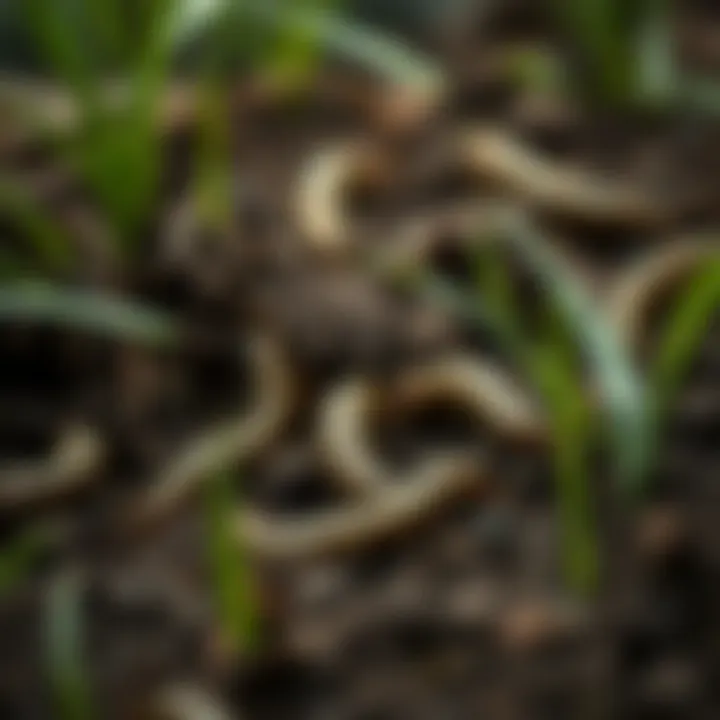
Physically, lawn grubs have a distinctive C-shape and are typically white or cream-colored, with a softer body compared to mature beetles. During their life cycle, they spend approximately two to three years underground and, depending on their species, can reach up to two inches in length. They thrive in warm, moist soil, making lawns with poor drainage particularly prone to infestation.
Relevance in Lawn Care
Understanding lawn grubs is essential for maintaining a healthy garden. Unlike other pests, which might be more visible and easily managed, grubs hide beneath the surface, silently feasting on roots. This quiet devastation renders the grass unable to absorb nutrients, leading to larger issues, including increased vulnerability to disease.
Recognizing the signs of grubs early can save time and resources in the long run. For instance, if wilting grass or brown patches appear without a change in watering or fertilizing practices, grubs could be to blame. Ignoring indications of infestation can result in a complete overhaul of lawn care efforts. Here are a few relevant points to consider about grubs:
- Timing of Life Cycle: Grub activity peaks during certain times of the year, particularly late summer and fall. This is critical for monitoring and preventative measures.
- Soil Quality Impact: A well-draining, nutrient-rich lawn is less susceptible to grub infestations. Therefore, improving soil quality can act as a deterrent.
- Early Interventions: Various methods exist to manage and prevent grub populations, including cultural practices and biological control methods.
By addressing these interconnected aspects, homeowners can take proactive measures to safeguard their lawns and gardens, ultimately enjoying the fruits of their labor well into the warmer months.
Investing time in understanding these pests can save you from future headaches and costly repairs to your garden.
Anatomy of Lawn Grubs
The anatomy of lawn grubs serves as a crucial foundation for understanding how these pests operate and, consequently, how to combat them effectively. By diving deep into their physical traits and life stages, gardeners can recognize signs of infestation sooner and implement targeted management strategies. Knowing what a grub looks like or how its life cycle unfolds could mean the difference between a healthy lawn and a damaged one.
Physical Characteristics
Lawn grubs usually have a C-shaped body, which is their distinct posture when they are disturbed. These creatures tend to be creamy white with a darker head, which helps in recognizing them against the soil or grass. Usually, they range in size from half an inch to two inches, depending on their maturity.
Why This Matters
This basic knowledge is essential for several reasons:
- Identification: A firm grasp on the physical attributes allows for quick identification prior to the larvae causing significant damage.
- Awareness: Understanding the appearance of lawn grubs can help inform homeowners what to watch for during regular lawn checks.
Lawn pests like these can disguise themselves among the ground, so knowing their typical features makes it easier to recognize an intrusion before it becomes a widespread issue.
Life Cycle Overview
The life cycle of lawn grubs consists of several distinct stages: egg, larval development, pupal, and adult emergence. Each stage presents unique challenges and opportunities for intervention. Understanding this lifecycle is critical to both prevention and treatment efforts.
Egg Stage
This stage occurs typically in late summer to early fall, when adult beetles lay eggs in the ground. Each adult can lay thousands of eggs, leading to potential infestations with each cycle. The eggs resemble tiny, white jellybeans—fairly inconspicuous and often unnoticed until the damage begins.
Contribution to Overall Understanding
The significance of the egg stage lies in its prolific nature. If left unchecked, these eggs translate into countless grubs actively feeding on the roots of your grass. Its hidden yet impactful presence underscores the importance of early detection methods in controlling lawn grubs before they spread.
Larval Development
Once hatched, the larvae begin to feed on organic matter including grass roots. The first few weeks of life, grubs grow rapidly. They are most damaging during this stage; they can cause lawn discoloration and wilting.
Unique Feature and Implications
Their ability to be voracious feeders makes them a significant threat. During this phase, the grass shows signs of stress, which can lead to a lawn that looks downright sad if not managed correctly. Awareness of the larval development stage helps gardeners remain vigilant about timely interventions.
Pupal Stage
As they grow, lawn grubs proceed to the pupal stage, a transit form where they do not feed. This phase usually lasts about two to three weeks. Interestingly, during pupation, they undergo significant transformations to become mature beetles. It’s a part of their lifecycle that leads them to becoming those pesky adults we often see buzzing around later.
Key Characteristics
Recognizing this stage can also guide management options, mainly because while they are inactive, now might be the best time to treat your lawn with specific agents to control the next generation.
Adult Emergence
Eventually, the grubs will emerge as adults, usually in late spring or early summer, which is when they start the cycle all over again by laying more eggs. Adult beetles are typically brown or green, depending on the species, and are best known for their ability to fly.
Relevance in the Lifespan of Grubs
Awareness of when they become adults allows gardeners to predict future infestations and initiate preventive steps. By noting the patterns of adult emergence, gardeners can take proactive measures to minimize the chances of a subsequent infestation in their yards.
Key Insight: Understanding each stage of lawn grubs ensures appropriate action can be taken to mitigate their impact on your beautiful garden.
Common Species of Lawn Grubs
Understanding the specific types of lawn grubs is crucial for homeowners looking to maintain a healthy lawn. These pests can wreak havoc, but knowing their various species allows for better targeted control methods and strategies. In this section, we'll discuss three common species of lawn grubs: Japanese Beetle grubs, June Beetle grubs, and Masked Chafer grubs. Each of these grubs has unique characteristics and habits that influence how they interact with your lawn.
Japanese Beetle Grubs
Japanese Beetle grubs, scientifically known as Popillia japonica, are a significant threat to lawns across much of the United States. They generally hatch in late summer, becoming larvae that feast on the roots of grass. What becomes a bit of an issue is how they can stay undetected in your yard until the damage is quite visible.
Their preferred habitat includes moist soil, making irrigation practices quite vital. When monitoring your lawn, be on the lookout for wilting or browning patches; this could signal an infestation. Over time, these grubs can leave your lawn resembling a patchy quilt rather than a lush green carpet.
June Beetle Grubs
June Beetle grubs, or Phyllophaga spp., are another common culprits lurking beneath the surface. They become active in the soil around the same time as the Japanese Beetle but are specifically identified by a characteristic C-shaped appearance. These grubs can cause extensive damage if their population swells, largely because they devour roots and organic matter in your lawn.
June Beetle grubs are prone to thrive in nutrient-rich soil, which is often the result of regular fertilization practices. This creates a bit of a double-edged sword for homeowners who are trying to give their lawns a boost. When scouting for these pests, checking for any unusual subsurface movement when digging can help in catching their presence early on.
Masked Chafer Grubs
Masked Chafer grubs, with the scientific name Cyclocephala spp., are less frequently discussed but certainly pose a challenge for lawn care. They go through their life cycle similarly to both the Japanese and June Beetle grubs. The damaging phase typically occurs in late summer through early fall, which means that lawn health can take a dive if not addressed promptly.
These grubs prefer high organic matter content in the soil, often coming in due to over-fertilizing or when lawns are maintained with excessive mulch. A tell-tale sign of a Masked Chafer grub infestation can be increased activity from foraging animals in your yard, as they are known to attract everything from birds to raccoons. Homeowners should be vigilant at this stage, as the grubs can be quite secretive.
Knowing which specific type of grub is present in your lawn is crucial for developing an effective pest management strategy.
By familiarizing yourself with the common species outlined here, you can take proactive measures in identifying and controlling lawn grubs before they lead to substantial lawn damage. This foundational knowledge serves not just as a means of protection but also as an avenue to cultivate a robust, thriving garden.
Identifying Lawn Grub Infestation
Spotting a lawn grub infestation early can be the difference between a vibrant garden and a spot of trouble. Understanding how to identify these damaging pests is key not only for preventing extensive damage but also for implementing the right control measures. When grubs are left unchecked, they can cause substantial harm, making timely detection even more critical.
Signs of Damage
Recognizing the signs of grub infestation in your lawn is essential. There are several hallmarks that homeowners should be particularly aware of:
Wilting Grass
Wilting grass can be a clear indication that something isn't right below the soil surface. When grubs begin to feed on grassroots, the grass struggles to access the nutrients and water needed to thrive. This can create a noticeable wilting effect, where the grass loses its lushness and vibrancy. One key characteristic of wilting grass caused by grub activity is that the problem often appears suddenly, leading to patches that look droopy and lifeless. This feature is particularly useful because it may alert homeowners before the damage escalates too far. Investigating areas where wilting occurs helps you diagnose potential grub issues before they become widespread.
Brown Patches
Brown patches are another classic red flag of a grub infestation. These patches often emerge as the grubs munch away at roots, leading grass to die off without nourishment. Homeowners may notice these patches during dry spells, as the affected areas do not recover as easily as the surrounding lawn. The particularity of brown patches is that they not only indicate grub damage but can also confuse homeowners into thinking they're dealing with another lawn issue, like disease or drought stress. However, distinguishing between a pest problem and other causes is vital for proper management. Identifying brown patches early could save your entire garden from a more severe infestation.
Increased Animal Activity
Increased activity from animals, such as birds, raccoons, and skunks, is often a sign that grubs are invading your lawn. These critters dig around in the dirt, searching for the tasty snacks that are grubs. A sudden uptick in animal visits, especially around certain spots of the lawn, might indicate that grubs are present. The key characteristic of this increased activity is that it may sometimes mislead homeowners into thinking they have a rodent issue instead. However, understanding that these animals target grubs helps you pinpoint the underlying issue quickly. Monitoring animal behavior can serve as an early detection method, allowing you to take action before extensive lawn damage occurs.
Conducting a Soil Test
Once you have a suspicion of grubs in your lawn, conducting a soil test is a practical next step. This process involves examining a small section of your lawn to confirm the presence of grubs. By cutting a square foot section of your grass and checking for these pests, you can get a clearer picture of the infestation level. Moreover, a soil test can reveal other contributing factors, such as soil health, which may play a role in pest control and lawn vitality. Gathering this information arms you with insight on how to effectively address the situation, potentially preventing future infestations.
Factors Contributing to Grub Infestation
Understanding the factors that lead to grub infestations is critical for gardeners and homeowners alike. It’s no secret that lawn grubs thrive under specific conditions, but recognizing these circumstances can be the difference between a healthy lawn and one riddled with problems. With the right knowledge, you can arm yourself against these pests and keep your garden thriving.
Moisture Levels
Moisture plays a significant role in the lifecycle of lawn grubs. The balance of moisture within the soil can directly influence grub populations. If your lawn is consistently damp, it creates a hospitable environment for female beetles to lay their eggs. On the contrary, dry soil may hinder the establishment of a robust grub community, but it doesn't entirely eliminate the risk.
To manage moisture effectively, consider the following tips:


- Irrigate Wisely: Water your lawn in early morning. Deep, infrequent watering encourages roots to delve deeper into the soil, making your grass more resilient.
- Observe Drainage: Ensure your landscape has proper drainage. Puddles that form after rain can be an open invitation for grubs.
It's about finding that sweet spot. You want enough moisture to nourish your grass, but not so much that it turns into a breeding ground for grubs.
Soil Quality
Soil health cannot be overstated. Grubs favor soil rich in organic matter, which provides nourishment for them as they hatch. High-quality soil will support not only the turf but also beneficial organisms that can help keep insect populations in check. A weak soil profile can make your lawn more susceptible to grubs and other pests.
To improve soil quality, consider:
- Testing Soil pH: A balanced pH level is crucial. If your soil leans too acidic or alkaline, it can stress your plants and create an ideal environment for pests.
- Integrating Organic Matter: Regularly adding compost or well-rotted manure can enhance soil structure and nutrient content, promoting healthy grass growth.
- Conducting Aeration: Aerating your lawn can relieve compaction and improve air and water movement within the soil, fostering a healthier ecosystem.
A robust lawn not only withstands grub infestations but also thrives despite them.
Lawn Maintenance Practices
Maintaining your lawn properly can deter grubs before they become a problem. Over-fertilization or improper mowing techniques can unwittingly contribute to infestions. Here are practices you might want to adopt:
- Mowing Height: Keep the grass slightly taller. Taller blades shade the soil, preventing it from warming too quickly and forming the perfect environment for grubs.
- Fertilization Schedule: Don’t overdo it; stick to a fertilization schedule tailored to your grass type. Too much nitrogen can lead to lush growth that attracts beetles.
- Regular Weeding: Weeds can harbor grub infestations. Keep your garden weed-free to minimize grub attraction.
"Lawn care is not just about aesthetics; it's about maintaining balance within your garden ecosystem."
In essence, the hurdles to managing grub populations come down to moisture, soil quality, and maintenance habits. When you grasp how those elements interplay, you’re better equipped to create an environment where healthy grass thrives and pests take a back seat. For more insights on pest management and garden care, consider checking resources from the US Environmental Protection Agency or visit Virginia Cooperative Extension.
With proactive management, you can keep those grubs at bay and ensure your lawn remains a stunning oasis!
Preventing Lawn Grub Infestation
Fueled by the desire to maintain a vibrant garden, preventing lawn grub infestations is pivotal for homeowners. It's not just about aesthetics; it’s critical for the overall health of your garden. An ounce of prevention often outweighs a pound of cure, especially in situations where lawn grubs are involved. These pests can radically alter the appearance and health of your turf, leading to costly repairs and substantial labor down the line.
Cultural Practices
Proper Watering Techniques
Proper watering methods play a crucial role in preventing lawn grubs. When you water your lawn too much, you create a paradise for these pests; it’s like rolling out the red carpet for them. Conversely, watering too little can stress grass, making it more susceptible to grub damage. The goal is to achieve a balanced approach, watering deeply but infrequently to develop strong, resilient grasses that can withstand grub activity.
Unique feature: Deep watering encourages root growth, which helps resist pest damage. An advantage of this technique is its dual effect on grass health and pest prevention. However, in overly moist conditions, beneficial nematodes may also struggle to perform.
Fertilization Practices
Fertilization is another key aspect of lawn care that influences grub presence. By applying the right nutrients, you can foster a stronger lawn that can outlast grub infestations. Properly nourished grasses can recover more quickly from potential damage. Notably, a nitrogen-rich fertilizer can help grass outgrow grub infestations, creating a robust defense.
Key characteristic: Timing and type of fertilizer matter. A disadvantage, however, is that over-fertilization can lead to a lush lawn that attracts pests, including lawn grubs, making it counterproductive if not monitored effectively.
Regular Aeration
Regular aeration serves as a preventative measure for lawn grubs. It involves perforating the soil to allow air, water, and nutrients to penetrate deep into the grassroots. Grubs prefer compacted soils as their habitat. By aerating, you can disrupt their environment, making it less favorable for establishment.
Through aeration, you enable better drainage and moisture retention, both essential for healthy grass growth. While beneficial, an often overlooked downside is that too much aeration can disturb the microbial balance in the soil if not done carefully.
Biological Control Methods
Nematodes
Nematodes consist of microscopic worms that act as natural pest controllers. They’re particularly effective against lawn grubs, providing a biological approach to pest management that is environmentally friendly. Nematodes enter the grub body, releasing bacteria that kill these pests in a matter of days.
Key characteristic: These organisms are harmless to plants, pets, and humans, making them a safe option for homeowners wary of chemicals. Nonetheless, finding the right type of nematode for your specific grub species is paramount for effectiveness.
Beneficial Insects
There are also beneficial insects, like ground beetles and certain wasps, that prey on lawn grubs or their larvae. Encouraging these insects can create a natural balance in your garden, aiding in grub control. Creating habitats for these insects, through practices like leaving some mulch and allowing diversity in plant life, can attract these natural predators.
Unique feature: This method doesn’t rely on chemical interventions, promoting a healthy ecosystem. However, the challenge lies in ensuring that these beneficial insects find your garden, which can take time and patience without immediate results.
A proactive approach to lawn maintenance can save significant time and resources in the long run, keeping your garden lush and pest-free.
Managing Existing Grub Infestations
Tackling the issue of lawn grubs is crucial for maintaining the health and vibrancy of your garden. Once these pests have made themselves at home, they can wreak havoc on your grass and other plants. The earlier one identifies and manages a grub infestation, the better. Waiting too long can lead to extensive damage, turning a lush lawn into an unsightly patch of brown and wilting grass. This section delves into two primary approaches: chemical treatment options and integrated pest management strategies, giving you the tools to combat these unwanted guests.
Chemical Treatment Options
Step-by-Step Application
Applying chemical treatments can be a decisive step in managing grub infestations.
- Timing is Key: The best time to target lawn grubs with chemicals is during their early stages, typically in late summer to early autumn. This period corresponds with when grubs are near the soil surface, making them vulnerable to treatment.
- Choosing the Right Product: It’s essential to select a pesticide that specifically lists grubs on its label. Products like Spectracide Triazicide or Bayer Advanced Grub Control are often favored for their effectiveness.
- Application Method: Following the manufacturer’s instructions is crucial. Usually, granules are spread using a broadcast spreader, providing even coverage. Liquid options may require attaching a sprayer to a hose for thorough distribution.
- Watering In: After applying the treatment, watering the lawn lightly ensures the pesticide reaches the grubs below the soil surface.
The main characteristic of step-by-step application is its clear, actionable process. This structured approach makes it easier for homeowners to follow and implement effectively. However, it’s important to note that chemical treatments can have environmental implications, so they should be used thoughtfully and as a part of a broader managementplan.
Safety Precautions
Safety is paramount when dealing with chemical treatments for grubs.
- Personal Protective Equipment (PPE): Always wear gloves, goggles, and a mask to minimize exposure to chemicals during application. This not only protects you but also your pets and family members.
- Read Labels Carefully: Understanding the instructions and safety information on the product label is vital. This includes how long to stay off the treated area, what to do in case of contact, and disposal instructions for any leftover product.
- Timing of Application: Choose to apply chemicals on calm, dry days to prevent drift to non-target areas like flower beds or vegetable patches.
- Environmental Awareness: Consider local regulations regarding pesticide use. Some areas have restrictions, particularly concerning waterways and non-target species.
Adopting these safety precautions ensures that the process of chemical application aligns with both effectiveness and environmental responsibility. Given the potential hazards of improper chemical use, diligence in this area is not just advised, it’s essential.
Integrated Pest Management Strategies
Integrated Pest Management (IPM) strategies offer a holistic method for dealing with lawn grubs that combines multiple tactics into a cohesive plan. IPM is not merely about eradication; instead, it focuses on long-term prevention.
Key components of IPM strategies include:
- Monitoring and Early Detection: Regularly check your lawn for signs of grub activity, such as reduced grass health and increased activity of animals like birds and raccoons, which may be seeking grubs as a food source.
- Cultural Controls: Adjusting lawn care practices can help reduce grub populations. Practices such as proper watering, choosing drought-resistant grass varieties, and avoiding over-fertilization can create an unfavorable environment for grubs.
- Biological Controls: Introducing beneficial organisms, such as certain nematodes or milky spore disease, can naturally lower grub populations without chemical interference. These methods are sustainable and often safer for the environment.
By combining these strategies, homeowners can not only manage current infestations effectively but also cultivate a lawn that is less susceptible to future grub issues. This comprehensive approach takes time, but the rewards of a robust, healthy lawn are certainly worth the effort.
Monitoring and Maintenance
Monitoring and maintenance are crucial practices for keeping your lawn healthy and thriving. While many people focus on planting, fertilization, and watering, it’s easy to overlook regular inspections and timely adjustments to care routines. Lawn grubs can quickly turn into a bigger problem if not caught early. By incorporating consistent observation and responsive care practices, you help safeguard your investment in your garden, promoting a lush and resilient landscape.
Regular Lawn Inspections
Keeping a close eye on the condition of your lawn can make a significant difference in pest management. Regular inspections not only help identify any signs of lawn grubs but also provide insights into the overall health of your grass. You might find little brown patches or wilting spots before they become a widespread issue.
When inspecting your lawn, look for:
- Discoloration: Darker green areas interspersed with brown patches may indicate a grub problem.
- Surface Activity: If you notice increased activity from birds or other animals digging in your lawn, it's a telltale sign that something is beneath the surface.
- Soil Condition: Checking the soil's moisture and density can reveal issues before they escalate.
Check at least once a month, particularly during the warmer months when grubs are more active. Make a habit of lifting up small sections of sod to see if any pests are lurking below the surface. This task might seem tedious, but it’s like finding the needle in a haystack—much easier to manage once it’s spotted!
Adjusting Care Practices Post-Infestation
If you’ve encountered a grub infestation, it’s time to strategically alter your care practices. After you've dealt with the immediate problem, adjusting your approach can foster a more robust recovery for your lawn.
Here are some tailored strategies:
- Review Watering Techniques: Freshly infested lawns need a proper balance of moisture. Over-soaking can make things worse, while too little water can lead to further stress for the grass.
- Revise Fertilization: Reassess the type of fertilizers being used. Opt for those rich in organic materials to help rejuvenate the lawn while also building future resistance against pests.
- Aeration: Post infestation, consider aerating your lawn to promote better root growth and drainage. It helps in breaking the soil down, which acts as a deterrent to further grub populations.
- Monitor Wildlife Activity: Keep an eye on soil disturbance. Animals can be both a sign of grub presence and potential help in managing them.
Remember: Adjusting your care practices is not a one-size-fits-all approach. Tailor your methods based on the specific conditions of your lawn. A flexible attitude towards care can go a long way in establishing a healthy lawn, so you won't have to fight an uphill battle in the future.
"A little prevention is worth a pound of cure." While you might’ve encountered issues, these adjustments represent a proactive stance that can ultimately enhance the health of your lawn and its resilience against lawn grubs.
For further insights on lawn care practices, you might want to check out resources available from institutions like USDA.gov or the local extension services from your state's university.
By dedicating time to monitor and maintain your lawn, you empower yourself to act swiftly before issues spiral out of control. Consistency is key in keeping your lawn grub-free and flourishing.
Closure
In the realm of lawn care, the oft-ignored lawn grub deserves a spot in the limelight. It’s easy to brush off these pests as mere nuisances, but as highlighted throughout this article, their impact can rip through a lawn’s aesthetic and health with surprising speed. Understanding why lawn grubs pose such a threat is not just about recognizing their physical presence; it’s also about grasping the broader implications they hold for the overall health of your garden.
When homeowners neglect to consider lawn grubs, they pave the way for detrimental outcomes. The consequence could be as simple as unsightly brown patches or as severe as a full-fledged lawn collapse. Hence, grasping the intricacies of lawn grub behavior, lifecycle stages, and the signs of their presence isn’t merely academic; it is vital for maintaining that lush, green landscape we all desire.
By following the recommended measures for prevention and control discussed earlier, you invest not just in your garden’s health but also in your own peace of mind. The satisfaction of knowing that you are one step ahead of these hidden pests can transform how you engage with your outdoor space.
"A stitch in time saves nine"—the old adage rings true when it comes to protecting your garden. Every proactive step you take now reduces potential headaches later.
Establishing a routine based on regular lawn inspections and adjusting your care practices after any infestation ensures those pesky grubs don’t get the upper hand. Taking the time to understand the intervention methods, from biological to chemical treatments, is equally as significant for long-term success.
Recap of Key Insights
Throughout this discussion, it has been clear that lawn grubs can be a substantial threat to the vitality and appearance of your lawn. Key insights include:
- Identifying Infestations: Recognizing the signs of lawn grub damage—such as wilting grass and brown patches—is crucial for early intervention.
- Lifecycle Understanding: Knowledge of their lifecycle—from egg to adult—teaches you the timeline for best management practices.
- Preventive Measures: Regular maintenance practices and cultural techniques can significantly reduce the risk of infestation.
- Treatment Options: A variety of control methods, including biological and chemical treatments, offer different approaches to tackling existing grubs.
Encouragement for Proactive Lawn Care
Taking a proactive stance in gardening—especially concerning pest control like lawn grubs—is essential. Homeowners are encouraged to:
- Stay Vigilant: Regular lawn inspections can help catch issues before they escalate.
- Educate Yourself: Understanding your garden’s ecosystem equips you to make educated decisions about prevention and treatment.
- Engage with Community: Join local gardening groups or online forums—like those found on Reddit or Facebook—where shared experiences can offer unique solutions and insights.
- Adjust Practices: Learn when to adjust your lawn care practices based on environmental conditions and observed pest activity.
In doing so, you foster not just a healthy landscape but also an enriching hobby that can inspire others in your community. Each effort counts in crafting a beautiful and sustainable garden that stands the test of time.