Mastering Interior Design: The Science of Color Matching

Intro
Color is not just paint on walls; it is the silent speaker of a room, a whisper of mood, a pulse of energy. The choices we make in color can define an atmosphere, evoke emotions, and shape perceptions. Understanding the art of color matching extends beyond merely picking shades that look good together. It's about grasping the intricate interplay between light, space, and the psychological effects of colors. This article aims to unlock the complexities behind effective color matching in interior design, providing both homeowners and enthusiasts with tools to enhance their spaces.
With colors influencing our feelings and behaviors, one might wonder why color matching is frequently overlooked or poorly executed. Poor combinations can feel disjointed, while harmonious palettes draw the eyes and soothe the senses. It’s crucial to align color choices with personal preferences and the functional needs of a space. By the time you finish this comprehensive guide, you will have a profound understanding of essential principles, modern trends, and the common pitfalls to avoid when it comes to selecting colors for your home.
Design Inspiration
Inspiration is key when embarking on the journey of color matching. One should start by seeking out different design ideas, whether through online platforms, magazines, or personal experiences. Knowing what currently resonates in the world of interior design can help homeowners choose colors that harmonize with contemporary tastes while still reflecting individuality.
Current Trends in Interior Design
Trends in interior design tend to change with the seasons, influenced by cultural shifts and artistic movements. For instance, in recent years, there's been a noticeable tilt toward natural hues and textures. Colors such as earthy greens, deep terracotta, and soft blues invite a sense of tranquility and connection to nature. These shades encourage a warm, welcoming atmosphere that many desire in their homes.
However, some bold choices are making waves as well. Jewel tones, like rich emerald green or deep sapphire blue, have started to creep into more interior designs, providing a striking contrast against neutral backdrops. This colorful push creates a dynamic environment that can serve as an appealing canvas for personal touches.
"A well-chosen color palette can transform an ordinary space into a sanctuary, reflecting the soul of its inhabitants."
Color Schemes and Palettes
When it comes to selecting colors, understanding the fundamentals of color theory is imperative. Color schemes generally fall into categories:
- Monochromatic: This scheme uses variations of a single color by altering its shades and tints. It creates a serene and sophisticated look.
- Analogous: Here, colors that are adjacent on the color wheel are utilized together. This creates pleasing, harmonious combinations that flow well.
- Complementary: This approach combines colors that are opposite each other on the color wheel, providing high contrast and vibrant hues that can energize a space.
- Triadic: This involves three evenly spaced colors on the color wheel. It often yields a lively arrangement and can add dimension and excitement to a design.
Choosing a color palette is not merely about aesthetics; it's also about creating a mood. Warm tones ignite passion and comfort, while cool tones can evoke calmness and relaxation. Take time to ponder how different combinations impact your day-to-day living experience. Ultimately, the best color palette is one that resonates personally, supporting the unique atmosphere you wish to cultivate in your home.
Links for further reading:
Understanding Color Theory
Color theory serves as a backbone for interior design, illuminating how colors can interact and influence aesthetics and mood. Without a sound understanding of this theory, one risks creating spaces lacking harmony and coherence. At its core, color theory combines artistic principles and psychological insights to create spaces that resonate emotionally and visually.
The Color Wheel
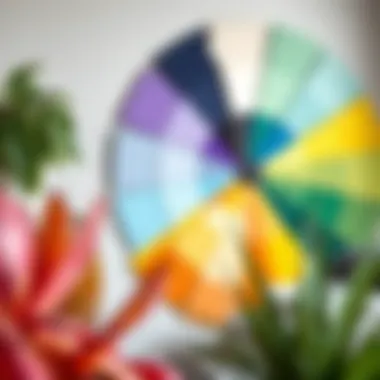
The color wheel is an indispensable tool in the world of design, offering a visual representation of colors and their relationships. It categorizes hues in a circular format—typically organized into primary, secondary, and tertiary colors. The primary colors—red, blue, and yellow—mix to create secondary colors such as green, purple, and orange. Tertiary colors arise from the blend of primary and secondary hues, augmenting the palette with more complexity.
For interior design, using the color wheel helps in understanding how colors contrast or complement one another. It allows designers to make informed decisions while selecting color schemes that not only fit the theme of the space but also enhance its visual appeal. A solid grasp of this concept is crucial for any designer seeking to create inviting and balanced interiors.
Color Harmonies
When delving into color harmonies, it’s about forming color combinations that are visually appealing while creating a desired atmosphere. Each harmony type offers a unique flavor to the space, making understanding these combinations vital for effective design.
Complementary Colors
Complementary colors sit opposite each other on the color wheel, creating a striking contrast. This dynamic pairing—like red and green or blue and orange—provides visual excitement and can energize a room. The key characteristic of complementary colors lies in their ability to make one another appear more vibrant, drawing the eye to specific areas or features in a space. Utilize this pairing cautiously; if used excessively, it can overwhelm or create visual chaos.
One of the primary advantages of complementary colors is their energetic synergy, making them ideal for spaces meant to inspire activity, like an art studio or a playroom. However, a disadvantage might be their tendency to overshadow subtler hues within the palette if balance isn’t employed.
Analogous Colors
Analogous colors sit adjacent to one another on the color wheel, forming serene and cohesive palettes. Think of yellow, yellow-green, and green—these colors produce a harmonious blend that fosters tranquility and ease. Their primary characteristic is balance; they maintain unity without being too monotonous. This quality makes analogous combinations exceptionally popular in spaces meant for relaxation, such as bedrooms or meditation areas.
However, while these combinations offer a seamless look, they can also risk visual boredom if not accented with contrasting colors. Careful placement of a complementary color can help keep the harmony fresh and interesting.
Triadic Colors
Triadic color schemes, rotating colors through three points of the color wheel, present an energetic and balanced aesthetic. For instance, a triadic scheme featuring red, yellow, and blue creates a lively mixture, ensuring a room feels engaging without busying it too much. The standout trait here is versatility; triadic colors can range from soft pastel interpretations to vibrant jewel tones, fitting a variety of design styles.
This scheme is especially advantageous for promoting creativity and dynamism in spaces like home offices, art studios, or children’s rooms. However, the challenge often lies in maintaining balance, as too much intensity can overpower a space. Therefore, using neutral shades as a grounding element becomes crucial.
"Color is the keyboard, the eyes are the harmonies, the soul is the piano with many strings." - Wladimir Kibalchich

Overall, mastering these color harmonies and understanding their implications will greatly enhance one’s ability to create beautiful, functional interiors. For further insights, resources such as color theory principles on Wikipedia are invaluable for grasping these concepts.
The Psychological Effects of Color
Understanding the psychological effects of color is vital in the field of interior design. Colors are not just aesthetic choices; they evoke emotions and influence the atmosphere of a space. Each hue comes with its own set of psychological cues that can enhance or stifle the energy within a room. For homeowners and design enthusiasts, being aware of these effects is crucial to creating environments that resonate positively with the inhabitants and visitors alike.
Emotional Responses
Warm Colors and Energy
Warm colors like reds, oranges, and yellows are often associated with energy and excitement. These colors have a stimulating effect on the mind and body, often increasing feelings of enthusiasm and passion. A well-placed warm color can transform a dull space into a lively area perfect for gatherings or discussions. For instance, painting a dining room a rich, warm orange can encourage good conversation and create a welcoming atmosphere for guests.
The key characteristic of warm colors is their ability to advance visually; they appear to move closer to the observer, which can create an intimacy in smaller spaces. This makes them a popular choice for areas where social interaction is encouraged.
However, using warm colors excessively can lead to feelings of agitation or discomfort. Thus, it’s important to balance these vibrant hues with calming elements like neutral tones or strategic lighting to prevent overwhelming the senses.
Cool Colors and Calmness
In contrast, cool colors such as blues, greens, and purples are known for their calming effects. They help create tranquil environments conducive to relaxation and reflection. This makes cool colors ideal for bedrooms and bathrooms, where a sense of peace is paramount.
The unique feature of cool colors is their ability to recede visually, which can make rooms feel larger and more open. This can be particularly beneficial in smaller living areas or cramped quarters. By employing shades of blue or green, one can invite a serene and soothing ambiance.
Nevertheless, relying solely on cool shades might lead to spaces feeling too cold or sterile, resulting in an emotional distance. Therefore, it's essential to mix these colors with the right warm tones or textural elements to achieve a balanced feel in the space.
Cultural Interpretations
Red in Different Cultures
Color interpretations vary dramatically across cultures and can significantly affect how colors are perceived in design. Take red, for example. In Western cultures, red often signifies love and passion but can also represent danger. In contrast, countries like China view red as a symbol of luck, prosperity, and celebration. Using red in interior design can evoke excitement or affection, depending on the cultural context.
This dual nature of red highlights its versatility as a design choice. However, incorporating too much red without an understanding of the cultural implications may mislead or unsettle the observers. Hence, designers need to be mindful of their audience when employing red in their work.
Blue's Significance Worldwide
Blue carries a range of meanings globally. In many Western cultures, it's associated with trust, tranquility, and stability. Blue evokes a sense of calm and reliability, making it widely used in professional settings like offices and clinics. In some Middle Eastern cultures, however, blue is seen as a means to ward off the evil eye, often finding its way into decor.
The key characteristic of blue is its ability to promote mental clarity and peace. It nurtures focus and can even enhance creativity when used thoughtfully. However, an overuse of blue can inadvertently convey sadness or a sense of isolation. Therefore, blending blue with warmer hues can counterbalance this effect and create a more inviting space.
Colors are powerful communicators, shaping our feelings and perceptions on various levels, both consciously and inconsciously.
When designing with color, it's essential to consider both emotional responses and cultural interpretations. By doing so, one can create environments that not only look beautiful but also feel right and resonate deeply with those who inhabit them. Through a strategic application of color, interior spaces can be transformed into areas that promote well-being and harmony.
Creating a Cohesive Color Palette
When embarking on any interior design project, having a cohesive color palette is akin to having a well-planned roadmap. It acts as the guiding principle that determines the overall aesthetic and mood of a space. Integrating colors harmoniously can elevate a room from ordinary to extraordinary. Homeowners and design aficionados alike should recognize that the right palette not only enhances visual appeal but also influences mood and functionality.
Selecting a Dominant Color
Selecting a dominant color is the bedrock of a cohesive palette. This color typically spans the largest area within a space, whether it's the walls, major furniture pieces, or flooring.
- Why a Dominant Color Matters: A dominant color grounds the design and sets the tone. For instance, a soft gray might create a serene atmosphere in a bedroom while a rich navy lends sophistication to a home office.
- Considerations in Selection: When choosing, consider factors such as the room's purpose, the amount of natural light it receives, and existing furniture. If the space gets ample sunlight, a bold color could amplify vibrancy; in darker rooms, a soft hue might add warmth without overwhelming.
Using Accent Colors
Accent colors play a pivotal role in enriching the overall design narrative. They inject personality and contrast, adding visual interest within the confines of a cohesive palette.
Defining Space with Accents
Using accent colors effectively can help delineate spaces. For example, a splash of mustard yellow in a kitchen can highlight areas like a breakfast nook, creating a warm, inviting feel without overtaking the dominant color scheme.
- Key Characteristic: Enhancing spaces through accents often demands a keen eye. They should complement the dominant color rather than clash. This careful selection is what makes the accent choice so beneficial in interior design.
- Unique Feature: A common feature of effective accent colors is their ability to reflect personality or themes. For instance, selecting vibrant teal cushions against neutral upholstery can introduce playful energy without requiring extensive renovations. The downside, however, is that accents can quickly become visually chaotic if overused or if not integrated with care.
Balancing Accents with Neutrals

Balancing accents with neutrals is a strategy that provides stability to any color scheme. Neutrals serve as the foundational backdrop, grounding bolder pops of color and creating a harmonious flow.
- Why Balance is Crucial: Achieving a well-balanced design minimizes the risk of overpowering any space, ensuring that accents deliver their intended punch without overwhelming the eye. Think of a home office where deep emerald is contrasted with soft white; the latter keeps the space feeling spacious and inviting.
- Unique Feature: The beauty of neutrals lies in their versatility. They can live in harmony with any accent choice, allowing for easy updates when trends shift. However, relying too heavily on neutrals without considering rich accents can lead to a bland aesthetic devoid of character.
"Color is the keyboard, the eyes are the harmonies, the soul is the piano with which we play."
– Wassiak
In sum, creating a cohesive color palette is a balancing act that requires thoughtful consideration of dominant and accent colors. By selecting with purpose and balancing smartly, any space can transform into an inspiring environment worthy of admiration.
Interior Design Styles and Their Color Schemes
Understanding the relationship between interior design styles and their associated color schemes is crucial for anyone looking to create a harmonious space. Each design style carries its own unique visual language, and color plays a vital role in communicating that message. Effectively matching colors with the right style not only enhances the aesthetic but also influences how people feel within the space. For instance, minimalist designs thrive on simplicity, while rustic styles evoke warmth and comfort. By honing in on the nuances of these styles, homeowners and design enthusiasts can craft environments that reflect their personalities and meet their functional needs.
Modern Minimalism
Neutral Bases and Pops of Color
In modern minimalism, the use of neutral colors as a base constitutes a cornerstone of this aesthetic approach. Shades of white, beige, and gray serve as a blank canvas, allowing for versatility. The key characteristic here is the balance of restraint and expression; while minimalism emphasizes simplicity, incorporating pops of color injects life and vibrancy into the atmosphere.
In modern design, these accents—like a bright cerulean vase or a vivid artwork—break away from monotony, creating focal points without overwhelming the senses. This approach is not just popular; it’s practical. A neutral palette can blend seamlessly with evolving trends, and accent colors can be mixed and matched over time, making it an adaptable choice. However, careful selection is essential; too many bold colors can counteract the calmness inherent in minimalism, possibly leading to a chaotic feel.
Rustic Charm
Earthy Tones and Warm Textures
Rustic charm is characterized by its embrace of natural materials and simplicity. Earthy tones such as browns, greens, and terracotta mirror the great outdoors and accentuate the organic warmth often sought in home spaces. This color palette creates a sense of calm and connection to the earth, making it an appealing choice for those who favor coziness and authenticity.
One unique feature of this scheme is the textural diversity—think distressed woods, raw stone elements, or soft linens. These textures complement the earthy tones, creating an inviting atmosphere that feels lived-in and inviting. However, one must be cautious; an over-reliance on neutral tones can sometimes lead to a dull environment lacking visual interest. A judicious touch of brighter accents, perhaps through decor like cushions or artwork, can revitalize a space while retaining its charming essence.
Eclectic Fusion
Mixing Patterns and Colors
The eclectic fusion style celebrates individuality through an audacious blend of patterns and colors. This approach thrives on creativity and risk-taking, allowing homeowners to curate a distinctive environment that speaks to their personal tastes. A key characteristic is the deliberate clash of colors—from bold reds and greens paired unexpectedly with soft pastels—to create an engaging visual story.
This style's unique feature lies in its ability to reflect diverse influences, from bohemian textiles to mid-century furniture pieces. While this offers an inspiring canvas for self-expression, it also presents a challenge: finding balance. Too much variety can lead to visual chaos, so a guiding thread, such as a unifying color or recurring motif, is essential to make the space feel cohesive.
"The right colors can breathe life into spaces, making them more than just places to live. They can tell your story."
Common Color Matching Errors
When venturing into the realm of color matching for interior design, one must tread carefully to avoid common missteps that can lead to disastrous outcomes. Recognizing these pitfalls is crucial for creating harmonious spaces that not only appeal visually but also serve their intended purpose. Let's take a closer look at some prevalent color matching errors that can derail an otherwise well-thought-out design.
Overuse of Bold Colors
Dousing a room in vibrant hues might seem like a surefire way to inject energy and personality into a space. However, relying heavily on bold colors can result in a chaotic atmosphere that overwhelms the senses. Instead of inviting creativity and comfort, an overabundance of bright colors can evoke feelings of restlessness or anxiety.
- Strategic Balance: It’s vital to balance bold colors with more subdued hues. For example, if one opts for a fiery red sofa, pairing it with neutral walls and simple accessories can help soften the intensity.
- Accentuation: Use bold colors as accents rather than the primary palette. Consider splashes of bright yellow in pillows or artwork against a white or gray backdrop.
- Visual Weight: Reflect on visual weight when choosing colors. Dark or saturated tones can make a room feel smaller, while lighter colors tend to open up space. Using too much of an intense shade can create a cramped feeling.
Ignoring Lighting Effects
Lighting plays a pivotal role in how colors interact in a space. Natural light, incandescent bulbs, and LED variations can drastically alter the perception of a room’s color palette. Neglecting to consider lighting can lead to unintended consequences.
- Natural vs. Artificial: Colors can appear warmer or cooler depending on the source of illumination. For instance, sunlight brings out the vibrancy of greens and blues, while yellow-toned bulbs might dull those same tones.
- Time of Day: Colors can change throughout the day. A soft gray might look inviting during the day but could turn cold in the evening under artificial light. Test paint samples at different times to see their true impact.
- Layered Lighting: Employing a variety of light sources can help achieve a more balanced color presentation. From ambient to accent lighting, having multiple layers can help your color choices shine.
Neglecting the Space's Functionality
It’s easy to get lost in the beauty of colors and how they might look in a space. Yet, the functionality of the area must be paramount. The intended use of a room dictates color choices that align with its purpose.
- Purposeful Selection: For instance, opting for soothing blue tones in a bedroom fosters relaxation, while invigorating oranges and reds might be better suited for a playroom or kitchen.
- Flow and Transition: Consider how the chosen colors will affect the flow from one space to another. Using colors that complement the functions of adjoining rooms enhances cohesiveness.
- Feedback from Space Usage: Get input from those using the space. If a room is meant for work or creativity, colors that stimulate focus should be prioritized over those that induce calmness or relaxation.
"Color is a power which directly influences the soul." - Wassily Kandinsky
Addressing these common color matching errors with a discerning eye can steer your design choices towards a more successful and visually appealing outcome. Remember, it’s not just about making a space look good; it’s about making it feel right.

Inspirational Color Combinations
The selection of colors for a space is not just about matching hues. It is an art that can transform a room's ambiance and evoke feelings. Inspirational color combinations provide a guiding light for homemakers and design aficionados looking to breathe life into their settings. They can set a mood, create focal points, and even maintain an organized flow throughout a home. When you discover effective color pairs or trios, you're better equipped to make choices that enhance both functionality and aesthetics.
Classic Combos
Blue and White
Blue and White is a timeless duo that often resonates deeply with those seeking a sense of tranquility and elegance in their homes. This combination evokes the feeling of open skies and serene waters. The versatility of blue, which ranges from soothing shades to more vibrant ones, complements the crispness of white superbly. Although it can be a safe choice, its uniqueness lies in its ability to evoke various moods depending on the shades used. For instance, a soft powder blue paired with stark white can create an airy, open space, ideal for a coastal vibe. Conversely, a bold navy alongside a bright white can bring a classic nautical tension to a room.
However, it’s essential to maintain balance. Too much blue can feel overpowering, while too little white can make spaces feel claustrophobic.
Black and Gold
In the realm of glamour, Black and Gold reigns supreme. This combination is not simply a pairing of colors; it is an expression of luxury and sophistication that can elevate ordinary spaces into extraordinary ones. The richness of black brings a depth to interiors, serving as a canvas that allows gold accents to shine. Where black offers grounding, gold energizes the space through its reflective properties. The key characteristic of this combo is its ability to create dramatic contrasts and highlight architectural details.
Although it often exudes a high-end feel, homeowners must tread carefully. Too much black can darken a space, making it feel closed-off, while gold accents can risk overwhelming if used excessively. The trick lies in knowing how to balance these elements, incorporating just enough of each to create a harmonious look that feels both inviting and opulent.
Trend-Setting Matches
Soft Pastels
The appeal of Soft Pastels cannot be overstated. These hues are gentle on the eyes and emanate a warmth that few other color families do. Soft pastels work harmoniously to create environments that feel both fresh and inviting. Their subtlety makes them perfect for nurseries and bedrooms where tranquility is paramount. One of the unique aspects of using these colors is their ability to combine with neutral tones effectively. This versatility means they can fit into various interior design styles, from modern to vintage. However, one must also consider that they can sometimes feel washed out in spaces with low natural light.
Bold Jewel Tones
On the flip side, there lies the allure of Bold Jewel Tones, which command attention in any setting. Rich reds, blues, emeralds, and purples create a luxurious atmosphere, drawing the eye and serving as conversation starters. These colors are perfect for accent walls or statement furniture pieces, adding depth and dimension to room designs. While they have a lively presence, they also require careful consideration. Using too many jewel tones in a single space can clash and create chaos instead of harmony. Therefore, offsetting jewel tones with neutral furnishings can often produce the best results, ensuring that the space feels both dynamic and thoughtfully curated.
Always remember, color combinations should reflect your personality. It’s your space, after all.
Tools for Color Selection
Selecting colors for interior design isn't merely an art; it also involves the right tools to get the job done efficiently and effectively. Tools for color selection are essential in guiding designers and homeowners alike to make informed choices that resonate with both aesthetic vision and functionality. As color decisions can greatly affect the perception and mood of a space, having the best tools at your disposal can simplify the process and yield excellent results.
Digital Apps and Software
In today's digital age, there's an array of apps and software that can make color matching a breeze. Here are a few noteworthy points:
- Convenience: Digital tools offer the ability to explore color palettes and visualize them in your space right from your smartphone or computer. This can save time and avoid the hassle of carrying swatches around.
- Customization: Many applications allow users to create personalized palettes. For example, Adobe Capture lets you take a picture of a scene, and it will generate color themes from the image, tailoring your selections to your unique taste.
- Visualization: Apps like Houzz let you visualize how colors work in different settings. You can take a photo of a room, apply colors from their extensive library, and see how various hues look with your existing décor.
- Mood Boards: Tools like Canva can help in putting together mood boards to gather visual inspirations. This can be particularly useful when balancing multiple colors and styles.
- Reference: Digital color references can give a good indication of how colors might appear under varying light conditions, making it easier to avoid mishaps in real-life applications.
Physical Color Swatches
While digital options are excellent, physical color swatches have their own unique charm and utility. Here’s why:
- Tactile Experience: Sometimes, there's no replacement for physically holding a color swatch. Feeling the texture and seeing the color in different lighting conditions can help in making a more informed decision.
- Immediate Comparison: Holding several swatches next to each other can clearly display how they interact. You might spot an unexpected harmony or clash that’s not as easily noticeable on a screen.
- Broader Spectrum: The paint brands like Benjamin Moore or Sherwin-Williams offer extensive color cards that include new shades and popular trends. These can guide you in selecting colors that are trending or classic.
- Sample Painting: It’s always wise to take a small sample pot of color home. Applying paint in a small area allows you to see how it behaves with your space’s light and your other décor elements, ultimately leading to more confident decisions.
- Local Availability: Having swatches on hand can help you quickly verify if colors are available at your nearest hardware store, which is particularly important for large projects requiring consistent color matches.
Remember: Selecting colors is not just about what looks pretty; it's about creating a space that feels like home. Using a combination of both digital tools and physical swatches equips you with a more versatile approach, ensuring all bases are covered in the color selection journey.
Case Studies: Successful Color Matching
In the illustrious world of interior design, case studies serve as a valuable resource. They provide tangible examples of how color matching can enhance aesthetics and functionality within various spaces. By breaking down real-life projects, we not only witness the application of color theory in action, but we also glean insight into the creative decision-making processes of design professionals. This section showcases the successful infusion of color into both residential and commercial projects, shedding light on how strategic color choices can breathe life into spaces.
Residential Projects
When it comes to residential spaces, color is not merely about beauty; it reflects the inhabitants' personality and lifestyle. A well-executed residential project showcases how color can foster a sense of warmth, comfort, and individuality.
Take for instance a cozy living room designed for a family of four. The designer chose a palette centered around warm neutrals combined with sunlit yellows and deep blues. The dominant color, a soft sandy beige, sets a soothing base while accent walls of rich navy blue create depth and an inviting atmosphere. Yellow accents in cushions and artwork inject a playful energy and lightness, making the space perfect for family gatherings. This harmonious color relationship evokes a feeling of togetherness.
For those interested in incorporating similar principles, consider the following:
- Dominant Base: Choose a color that reflects the mood you want in the room. Neutral shades often work best as they provide flexibility for accents.
- Accents and Highlights: Use bold colors sparingly within accents, such as textiles or art pieces, to draw the eye and maintain balance.
Commercial Spaces
In commercial settings, the stakes can feel higher. Here, color choices aren't solely aesthetic; they're functional and communicative. This is particularly evident in a recent overhaul of a trendy cafe. The design used color strategically not just to attract customers but to create a lasting impression.
The designer opted for contrasting colors to energize the space—vibrant oranges paired with calming greens set a lively tone. Bright orange walls energize, while emerald green accents provide a refreshing counterpoint, creating visual interest without overwhelming patrons. This combination not only draws in foot traffic but has been shown to enhance mood and uplift spirits.
In commercial applications, here are key considerations that can guide color selection:
- Brand Identity: Align colors with the company's branding to establish consistency in customer experience.
- Functional Flow: Colors should guide visitors through the space; for example, brighter colors can denote busy areas, while softer tones may define relaxed zones.