Transforming Ceilings with Unique Paint Roller Techniques
Intro
Ceilings are often the unsung heroes of interior spaces, serving as a canvas begging for creativity. With the right approach, they can transform an ordinary room into an extraordinary one. This article digs deep into innovative techniques for ceiling design using patterned paint rollers. Not only do these tools save time, but they also offer artistic flair that captivates the eye and enhances the overall aesthetic.
Design Inspiration
In interior design, inspiration can strike from various sources, leading to innovative practices that help make a house a home. Patterned paint rollers are emerging as trendsetters, allowing for unique textures and designs that elevate the ceiling experience.
Current Trends in Interior Design
Homeowners are increasingly leaning towards personalized spaces, and that’s where ceilings come into play. Textured ceilings, for example, can provide depth and character. You might consider geometric patterns or organic shapes that mirror nature. Not to mention, many experts are now mixing colors, even metallics, to create eye-catching effects.
Another trend is incorporating minimalism into the design. Simple, clean patterns coupled with a neutral color palette can create a sophisticated look that resonates with modern aesthetics, especially in smaller spaces. The right choice of roller can help achieve this look effortlessly.
Color Schemes and Palettes
Choosing the right colors is crucial. Here, one can opt for soft pastel tones to create a calming environment, or bolder colors for a lively atmosphere. For instance, a soft peach in a bedroom paired with a simple floral roller pattern can elevate a typical ceiling into a work of art. Alternatively, dark colors can bring a cozy feel to living spaces.
Moreover, consider complementary colors. A deep navy ceiling paired with white geometric lines can provide an alluring contrast that draws attention. Always remember to test the colors and patterns on a small patch before committing to the entire overhead canvas.
"The ceiling is the crown of the room - let it wear something beautiful!"
It’s essential to take into account lighting too. How light plays with color will greatly affect the final look. Natural light versus artificial light can yield different results. Positioning a roller that reflects light can enhance the ceiling’s presence in the room.
As we journey through this guide, we’ll touch on various techniques and practices to maximize the potential of ceilings. By the end, you'll be equipped with fresh ideas to transform your living space, one stroke at a time.
Intro to Ceiling Design
Ceilings often go unnoticed in the grand scheme of interior design, yet they hold significant power in shaping the atmosphere and character of a space. While walls can be canvases for bold colors and artwork, the ceiling is like the roof of a house—overlooked until it offers a perspective that can make or break a room's ambience. Innovatively designed ceilings can dramatically transform not just a room but the entire feeling of a home. The usage of patterned paint rollers to create unique ceiling designs has emerged as an inventive way to provide flair and personality to this often beige expanse overhead.
Understanding the Role of Ceilings in Interior Design
When considering the role of ceilings in interior design, it’s essential to recognize their functional and aesthetic importance. A ceiling does not solely serve an enclosing purpose; it also has the potential to enhance the visual narrative of a room. In many ways, a ceiling can function as a fifth wall, providing additional opportunity for expression.
Ceilings can draw the eye upward, suggesting spaciousness; they can also create intimacy, depending on their design and color scheme. For instance, a creatively painted ceiling can provide a cozy, inviting atmosphere in a living space, while a high-gloss finish might reflect light and enhance the brightness in a smaller room. Whatever the intention, it's clear that a thoughtful ceiling design engages both form and function in exciting ways.
Moreover, understanding the materials that contribute to ceiling design adds a layer of depth to the creative process. From textured finishes to smooth surfaces, each choice affects not just the look but the feel of the room itself. Customized options using patterned paint rollers allow homeowners to introduce texture in a manageable way, truly marrying aesthetics with functionality.
Why Choose a Patterned Paint Roller for Ceilings?
Opting for patterned paint rollers for ceiling applications brings a plethora of benefits, particularly when aiming for a specific atmosphere or motif. First and foremost, these rollers can introduce a variety of textures and patterns that would be nearly impossible to achieve with traditional painting methods. The versatility in style offered by patterned paint rollers means you can find a design that resonates with your personal aesthetic, whether it’s vintage, modern, or something in between.
Not only do they create visual interest, but they also provide a cost-effective alternative to other design elements such as extensive moldings or elaborate ceiling tiles. Using a patterned paint roller is a lower commitment way to explore exciting designs, which is particularly beneficial for those who like to refresh their interiors regularly.
In addition, patterned paint rollers can truly make the ordinary extraordinary. For example, a simple swirl or geometric pattern can evoke feelings of movement or energy within a space, while stripes can lend a sense of height or openness. It's fascinating how the judicious use of these tools can lead to unexpected and charming results.
Types of Paint Rollers for Ceiling Design
When it comes to achieving a standout ceiling, the right paint roller can make all the difference. Using specific types of paint rollers for ceiling design not only adds character but also influences the overall aesthetic and feel of a room. This section covers two primary roller types — textured and stenciled rollers. Each of these tools offers unique designs and advantages that can wonderfully alter your ceiling's appearance.
Textured Rollers
Textured rollers are an excellent choice when you want to elevate more than just the color of your ceiling. They have a variety of patterns, from subtle to bold, enabling homeowners to create a sense of depth and interest. One of their standout features is the ability to mimic other materials, like stucco or textiles, which can be helpful for achieving a high-end look without the hefty price tag.
For instance, you might choose a rough texture for a rustic theme or a smoother design for a contemporary space. These rollers are particularly beneficial in hiding imperfections in the ceiling, as the texture can effectively camouflage any bumps or scars from age. When using a textured roller, it’s crucial to apply the paint with consistent pressure to ensure that the pattern appears uniform throughout.
Tips for Using Textured Rollers:
- Choose the right nap: A thicker nap works better for deeper textures, while a thinner nap is suitable for more delicate patterns.
- Test the pattern: Always do a small test patch first to see if the chosen texture fits well with the existing decor.
- Keep a wet edge: In fresher layers, maintain a wet edge to avoid marks; this will ensure a seamless finish.
Using textured rollers can truly make a ceiling pop while imparting a warm, inviting space. The added depth creates visual intrigue, urging guests to look up and appreciate the thoughtful ceiling design.
Stenciled Rollers
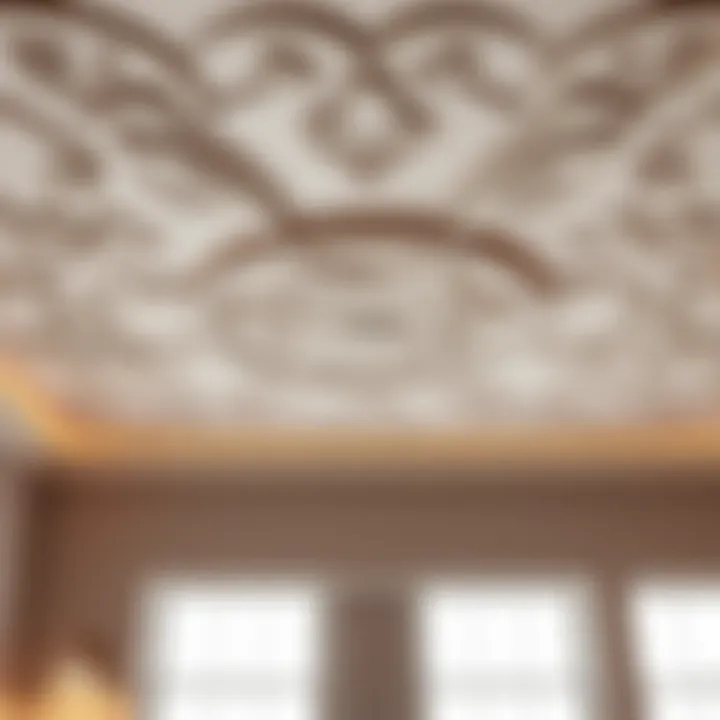
Conversely, stenciled rollers have their own charm, offering an artistic flair to ceilings. They feature designs that can transform a plain surface into a piece of artwork. With stenciled rollers, one can achieve intricate patterns that are often representative of specific themes or influences, such as vintage florals or geometric shapes.
These rollers are favored among those who wish to express a personality through their ceilings. It takes a bit more precision to use them compared to textured rollers, but the resulting designs can add a unique touch, making the ceiling a statement piece. When choosing stencil designs, consider how they harmonize with the room's overall look, creating a continuous design narrative.

Advantages of Stenciled Rollers:
- Versatility in designs: Stenciled rollers allow for layer upon layer of intricate detailing, meaning you could combine several patterns in one room if desired.
- Customized aesthetics: You can easily change or modify your stenciled design when you want a fresh look without needing to repaint the entire area.
- High impact with low effort: Achieving a look that seems complex is entirely possible when you use stenciled rollers — it saves time.
When using stenciled rollers, it’s a good idea to plan your design ahead. Measure twice, paint once is a mantra that rings true, especially in creative projects. A problem many encounter is misalignment; however, proper technique and a bit of patience can yield spectacularly intricate results.
In summary, understanding the particular use of textured and stenciled rollers opens up a realm of possibilities that can dramatically enhance your architectural canvas. Whether opting for the tactile richness of textured rollers or the tailored artistry of stenciled patterns, homeowners can tailor their ceiling’s aesthetic to their personal style, right from the comfort of their own home.
Selecting the Right Design
Selecting the right design for your ceiling is akin to picking the perfect icing for a cake. It’s the finishing touch that can elevate a plain room into something exquisite and inviting. With the rise of patterned paint rollers, homeowners now have a wealth of options to transform their ceilings into eye-catching features. The decision requires a thoughtful approach, taking into account the existing interior décor, personal style, and the intended mood of the space. Successful ceiling design can bring a harmonious balance into the room, making it feel cohesive and well thought out.
When considering a design, several factors come into play:
- Home Atmosphere: Is the room casual, elegant, playful, or modern? This vibe should guide your choice.
- Architectural Style: A vintage home might benefit from intricate patterns, while a contemporary space may call for sleek, understated designs.
- Practicality: Ensure that the chosen pattern suits the ceiling height and the amount of natural light in the room; darker colors can tighten a space, while lighter tones generally make it feel airy.
By taking these aspects into account, you ensure that your ceiling not only enhances the aesthetics but fits seamlessly with the character of the home.
Matching Patterns with Interior Themes
Patterns can either contrast or complement existing themes, affecting the overall feel of a space. For instance, if your living room radiates a modern ambiance with clean lines and minimalist furniture, a bold geometric pattern might provide an exciting contrast that draws the eye upward. Furthermore, in a room punctuated by rustic wooden beams, using patterns that echo natural elements—like leaf motifs or organic shapes—could subtly enhance this effect, adding depth without overwhelming the senses.
Here are a few things to consider when matching patterns:
- Contrast and Harmony: Aim for a balance; too much clash can create visual chaos, while overly harmonious choices might lose the ceiling's intended impact.
- Scale: The size of the pattern should resonate with the room's proportions.
- Texture: In a space that uses various materials, patterned paint can add an additional touch of texture, enriching the sensory experience.
By keeping these points in mind, you can pick patterns that speak volumes—adding character and drawing attention where intended.
Color Considerations for Ceiling Patterns
Color is the silent speaker of design, often more impactful than one realizes. When selecting a color for patterned ceilings, it’s vital to consider how it interacts with the rest of the room. Colors can evoke emotions, set the atmosphere, and even affect the perceived space.
- Light and Bright: If your room lacks natural light, opting for lighter shades can make it feel larger and more inviting. Soft whites, pastels, or pale grays can serve as a serene backdrop for intricate patterns.
- Bold Choices: Should you aim to create a sense of drama or coziness, deeper hues—like navy or forest green—can work wonders as long as they are balanced with appropriate lighting.
- Color Theory: Understanding which colors juxtapose well can be plain helpful. Warm tones like reds and yellows generally create a welcoming atmosphere, while cool tones like blues and purples might invoke serenity.
"Choosing a ceiling color can transform a mundane space into an exhilarating experience, a critical step in interior design."
In summary, thoughtfully selecting a ceiling design that incorporates patterns and colors to match your interior theme can yield impressive results. It’s a chance to express creativity and breathing life into your living spaces. Embrace this opportunity to elevate your home’s aesthetic, creating a haven that’s truly you.
Techniques for Applying Paint Rollers
Applying patterned paint rollers can transform an ordinary ceiling into a stylish statement. The techniques employed during the application are pivotal, not just for achieving stunning aesthetics, but also for ensuring the durability and quality of the finish. This section breaks down the essentials that anyone looking to enhance their ceilings with patterned designs should consider, offering both insight and practical guidance.
Preparation of the Surface
Before diving into the fun part—painting—the preparation of the ceiling is imperative. A well-prepared surface can mean the difference between a job well done and a frustrating experience.
- Cleanliness Counts: Start by ensuring that the ceiling is free from dust, grease, or old flaking paint. Use a damp cloth or a sponge with a mild detergent to wipe the area. Any residue can mess up how the paint adheres and appears.
- Repairs and Patching: If there are cracks or dents, it’s best to patch them up. A little spackling compound goes a long way. Once it dries, sand the area smoothly until it’s level with the rest of the ceiling. This step may feel tedious, but it’s worth it when you see the final result.
- Priming the Ceiling: Though it might feel unnecessary at times, putting down a primer can help your paint stick better and provide a truer color. This especially holds true for patterned rollers since they can highlight imperfections.
- Test Patch: If you’re not sure about how the paint will look, consider doing a small test patch. This allows you to see how the paint interacts with your ceiling texture and lighting. You could be surprised by the end results!
Preparation may seem labor-intensive, but these measures ensure that your finished ceiling not only looks good, but lasts for years.
Mastering the Application Process
Once your ceiling is prepped, learning how to best use the patterned paint rollers becomes key. This phase can seem daunting, however, by taking it step-by-step, you can easily master the application process.
- Tools You Need: Have your patterned roller, a paint tray, extension pole, and a few brushes handy. It’s smart to have a variety of brushes on hand for those hard-to-reach spaces around the edges.
- Loading the Roller: Properly loading the roller is half the battle. Dip your roller into the paint, and roll it across the tray’s ridges until it's evenly coated but not dripping. If it's too wet, you’ll end up with excess paint splattering all over, and that’s the last thing you want.
- Application Technique: Start rolling the paint onto the ceiling in a consistent and even pattern. For optimal results, maintain a wet edge as you roll—this means ensuring that you don’t let the paint dry up before rolling over it again. Doing this helps to prevent any overlapping marks that could ruin the design.
- Finishing Touches: After the initial application, step back to inspect your work. If needed, a small brush can refine edges and any tight areas that the roller couldn’t reach. Check for missed spots or uneven areas.
"Painting is just like any other craft; practice makes perfect. So, don’t be afraid to roll with it!"
Achieving a beautifully patterned ceiling is like creating a piece of art. Don't rush the process - respect the nuances of your tools, and before you know it, you'll have a ceiling that’s not only visually captivating but also a reflection of your unique style.
As you follow these steps thoroughly, remember that the journey of painting your ceiling should be as satisfying as the final product itself.
For more techniques and inspirations, check out resources on Wikipedia, and explore discussions on ceilings at Reddit.
Keeping these techniques in mind will set the stage for a successful and transformative ceiling painting project.
Enhancing Visual Effects with Patterns


Incorporating patterned paint rollers into ceiling design opens up a world of creativity for homeowners and interior design enthusiasts. The textured or stenciled effects created by these rollers can dramatically alter the perception of space, making ceilings not just functional but a focal point of artistry. Successful integration of patterns allows for enhanced visual effects, which can introduce depth, dimension, and even an element of surprise to often overlooked areas of a room. Understanding how to manipulate visual effects with patterns can transform a standard ceiling into an engaging visual experience.
Creating Depth and Dimension
One of the most compelling advantages of using patterned paint rollers is their ability to create a sense of depth and dimension on a flat surface. A ceiling that appears flat can quickly be transformed into a canvas of visual intrigue. For instance, if a homeowner opts for a roller with a wave pattern, the result can suggest undulating surfaces, akin to a gently rippling sea. Conversely, geometric patterns—like triangles or chevrons—can impart a more structured feel, visually raising the height of the ceiling while guiding the eyes upward.
Textures also play a crucial role in this concept. A subtle texture can catch and reflect light differently than flat paint, creating shadows that can enhance details when light sources change. This interplay between light and texture not only captivates the gaze but also causes the space to feel more dynamic. It works wonders in smaller rooms, where such effects can create an illusion of increased size. Incorporating a pattern that promotes depth and dimension can elevate one's living space, making it feel open and inviting. Here are some ways to effectively use patterns for depth:
- Faux finish techniques that imitate natural materials such as wood or stone can add richness.
- Layering colors within patterns can provide optical interest that draws attention without overwhelming the area.
- Varying roller pressure during application can create shading effects that enhance dimensionality.
Incorporating Light and Shadow
The relationship between light and shadow is vital when discussing enhancements for ceiling designs. By carefully selecting patterns for paint rollers, one can capitalize on light sources within a space. For example, a pattern designed to capture light at certain angles can make the ceiling seem alive, shifting in appearance throughout the day as natural light streams in.
Using gloss or satin finishes in conjunction with a patterned roller can create striking contrasts. The glossy areas reflect light while the matte sections absorb it, generating a sense of movement and playfulness throughout the room. This very aspect is pivotal when considering how a room is used; spaces intended for entertainment or gatherings often benefit from more dynamic ceiling designs that play with light.
"Light can turn a simple pattern into an extraordinary experience, highlighting its beauty as it dances through the space."
When determining how best to use light and shadow with patterns, consider the following:
- Position of light sources: Ideally, overhead and side lighting should be used to accentuate textural differences.
- Timing of natural light: Rooms can appear drastically different depending on the time of day, so think about how the lighting will interact with the pattern.
- Layering different finishes: Mixing matte and gloss not only adds interest but also affects how light is perceived in the room.
These strategies ensure that the ceiling is not a simple afterthought but rather a key element in the overall design scheme, capable of commanding attention and imparting a lasting impression.
Maintenance of Patterned Ceilings
Caring for your specially designed patterned ceilings is essential, not just for aesthetics but for prolonging their life and ensuring their original charm is preserved. A well-maintained ceiling can elevate the entire room, transforming an ordinary space into a remarkable one. Regular upkeep ensures that the patterns remain vibrant and the structural integrity of the ceiling is maintained. Let’s delve into the components of ceiling maintenance, discussing cleaning techniques and touch-up strategies.
Cleaning Techniques for Longevity
When it comes to cleaning patterned ceilings, the approach needs to be as unique as the design itself. You can't just whip out a mop and bucket; that could spell disaster for your carefully applied patterns. Instead, consider these methods for effective cleaning:
- Dust Regularly: A simple dusting can go a long way. Use a soft brush or a microfiber cloth to sweep away dust particles. This can help avoid buildup that results in discoloration over time.
- Gentle Detergent Solutions: If stains or marks appear, mix a mild detergent with warm water. Dampen a cloth with this solution—don’t soak it—and gently wipe the affected areas.
- Spot Testing: Before applying any cleaning solutions broadly, do a spot test in an inconspicuous area to ensure there are no adverse reactions to the paint finish.
"Caring for your ceiling isn't just about looks; it's about preserving history and detail that can often be overlooked."
Furthermore, avoiding abrasive cleaners is paramount. They can scratch or dull the patterns, ruining the effect. A gentle hand and a little patience can ensure your ceiling looks as good as new for years to come.
Touch-Up Strategies
Even with diligent maintenance, there can be times when a touch-up is required. This could be due to minor damage, like chips or discoloration. Here are some strategic tips for those pesky imperfections:
- Patch Kits: Keep a small paint patch kit handy that includes leftover paint matching the ceiling. This can be a lifesaver during sudden repairs.
- Use a Fine Brush: For intricate patterns, using a fine brush helps you to navigate the details without altering the surrounding areas. Take your time and ensure you’re matching the pattern.
- Blend Carefully: When touching up, make sure to feather the paint edges to blend seamlessly with the existing design. This prevents visible lines from forming where the new meets the old.
Maintaining the beauty of a patterned ceiling takes thought and diligence. However, utilizing these cleaning techniques and touch-up strategies can safeguard your ceiling's integrity, ensuring it continues to captivate anyone who walks through your door.
Case Studies of Innovative Ceiling Designs
Examining real-life applications of patterned paint rollers shines a light on their transformative power in ceiling design. By digging into these case studies, we can appreciate not only the aesthetic impact but also the functionality these unique designs can bring. Such examples help demystify the process, providing insight into how different environments can effectively utilize patterns to elevate their interiors.
For anyone looking to embark on their own ceiling project, these case studies might offer inspiration and valuable lessons based on experience. Let's discover how residential and commercial spaces have benefited from innovative ceiling designs using patterned paint rollers.
Residential Applications
In the realm of residential spaces, creativity knows no bounds. Consider the case of a quaint living room in a suburban home. The homeowners opted for a delicate floral pattern that mirrored their garden. This choice didn't just add a visual punch; it seamlessly integrated the indoors with the outdoors, enhancing the feeling of openness.
In another instance, a young family transformed their children's room into a whimsical world by applying bright, cartoon-themed patterns on the ceiling. This not only entertained the kids but also sparked their imagination, creating a space that feels alive and engaging. More than just good looks, such decisions reflect family values and lifestyle, turning ordinary rooms into personalized sanctuaries.
One effective approach in residential ceiling design involves considering the height and layout of rooms. For example, in spaces with lower ceilings, utilizing lighter colors and small patterns can create the illusion of height, making a room feel more spacious. Offering different textures through patterned rollers can also add depth, which is particularly useful in smaller areas.
Key Takeaways:
- Color and pattern can unify indoor and outdoor spaces.
- Personalization through themed designs aligns with family dynamics.
- Consideration of room height and layout can influence pattern choice.
Commercial Spaces Implementation
Turning to commercial settings, pattern application tells a different yet equally compelling story. For instance, a trendy coffee shop in an urban area employed a geometric pattern on their ceiling, which not only attracted visitors but also reflected their brand's modern and chic ethos. The patterned ceilings complemented the overall interior design, making the space more inviting while enhancing acoustics—a crucial aspect in bustling environments.
Similarly, an upscale restaurant used a deep, rich, textured pattern to create intimacy and warmth. It framed their dining area beautifully, encouraging guests to linger longer over meals. With ceiling patterns that resonate with the business's identity, the restaurant crafted a memorable dining experience and built a distinctive ambiance.
Commercial spaces often focus on using patterns to align with branding and customer experience. Well-thought-out patterns can evoke emotions, influence mood, and even promote a more relaxed environment, making it easier for customers to enjoy their time. In this context, patterned paint rollers become a tool not just for decoration, but for strategic marketing as well.
Key Takeaways:
- Patterns in commercial design reflect branding and customer experience.
- The ambiance of commercial spaces can be enhanced through clever design choices.
- Strategic patterns can influence customer mood and behavior.
"Innovative ceiling designs are not merely decorative; they shape experiences and emotions in our spaces."
These case studies highlight the powerful implications of patterned paint rollers in both residential and commercial settings. By taking cues from successful implementations, future projects can flourish with creativity and intention.
Expert Tips for Successful Ceiling Painting
When it comes to ceiling painting, selecting the right approach can make a world of difference. It's not just about slapping on some color; it's about creating a visual experience that elevates the entire space. The ceiling often gets overlooked, but with a patterned paint roller, you can turn it into a magnificent focal point.
Choosing the Right Roller Material
The foundation of a well-painted ceiling begins with the paint roller. Choosing the right roller material is crucial since different types can yield vastly different results. For instance, if you're working with thick paints like a textured finish, a roller with a thicker nap, such as ¾ inch or more, will be necessary to hold and apply the material evenly.
Conversely, a sleek finish would require a short-nap roller to ensure the color glides on smooth as butter. To aid you in selecting the right one, consider the following:
- Material Type: Synthetic rollers, like polyester or nylon, resist matting and are ideal for water-based paints, whereas natural materials, like mohair, work wonders with oil-based paints.
- Nap Length: Thick nap rollers are suited for rough or textured ceilings, while short nap rollers are better for smooth finishes; unless you want to induce more texture.
- Durability: Invest in a good quality roller; it saves headaches down the line. A lesser-quality option can lead to shedding, which can ruin your pristine surface.
Overall, keep in mind that the roller material isn't just a minor detail—it's essential for achieving that professional look.
Techniques for Avoiding Mistakes
Even the most seasoned painters can run into hiccups, so it's wise to prepare for missteps. Here are some recommended techniques for avoiding mistakes during your painting project:
- Test Before You Commit: Always conduct a test patch before fully committing to the final color. Spread some paint with your roller on a small area and observe how it appears once dry. This can save you a lot of trouble if the hue doesn’t turn out as expected.
- Proper Tape Usage: When transitioning between walls and ceilings, painters' tape is your best friend. Be sure to apply it carefully and remove it immediately after painting to ensure clean lines; waiting can lead to peeling paint.
- Strike the Right Balance on Pressure: While rolling, applying too much pressure can result in uneven textures or drips. A gentle yet firm touch will help keep your pattern crisp and clean.
- Work With the Light: Lighting plays a pivotal role in how your paint job comes off, so always paint with the natural light in mind. This can help you spot unevenness before the paint dries.
"A well-painted ceiling can transform an ordinary room into something extraordinary. Pay attention, and the impact will be lasting."
For further insights on painting techniques and materials, you can explore resources like Wikipedia on Painting, or forums such as Reddit’s Home Improvement for personal experiences shared by fellow home enthusiasts.
Exploring Future Trends in Ceiling Designs
As we step further into the 21st century, the role of ceilings in interior design has evolved substantially. No longer just a structure to keep the roof over your head, they are becoming vibrant canvases where creativity knows no bounds. This section dives into the latest trends in ceiling design, specifically focusing on the significance of adopting patterned paint rollers and their implications for homeowners, interior design enthusiasts, and beyond.
In today's eco-conscious world, there is a pressing need to consider sustainable materials and painting techniques that are not just visually appealing, but also safe for our environment. Utilizing innovative approaches can transform ceilings into more than just functional spaces; they become artful expressions of identity and values.
Sustainable Materials and Eco-Friendly Options
Sustainable materials play a pivotal role in modern ceiling design. With the rising awareness regarding environmental impacts, many homeowners are now preferring eco-friendly options. Here are some noteworthy aspects to consider:
- Low-VOC Paints: Selecting paints with low volatile organic compounds is crucial. Low-VOC paints ensure better indoor air quality while providing the same vibrant finishes often desired.
- Recycled Rollers: Using patterned paint rollers made from recycled materials can minimize waste. These rollers may also feature non-toxic inks that make patterns sharp but safe.
- Natural Fibers in Paints: Some paints are incorporating natural fibers, which not only give a unique texture but also enhance the aesthetic appeal without harmful additives.
"Eco-friendly ceiling designs not only beautify your space but also contribute to a healthier planet."
This heightened focus on sustainability does more than just appeal to environmentally-minded individuals. It enhances the overall quality of living spaces, enabling families to breathe easy and feel good about their choices.
Technological Innovations in Painting Techniques
As technology continues to advance, so too do the tools and techniques available for ceiling design. In becoming aware of these innovations, designers can significantly improve the quality and effects of their work. Highlighted below are key technological advancements to keep in mind:
- Smart Painting Tools: The advent of smart rollers equipped with sensors can monitor paint distribution and pressure, ensuring even application throughout the ceiling.
- 3D Pattern Printing: Techniques that allow for the creation of immersive 3D patterns provide a new level of depth. These methods can be particularly effective for commercial spaces, making ceilings pop with unique designs.
- Digital Apps for Planning: Design apps that allow users to visualize patterned ceilings in augmented reality make the planning process more interactive. Homeowners can preview how different patterns might look before making a commitment.
- Automated Painting Robots: Robotic systems are starting to come into play in commercial ceilings. These robots can apply paint quickly and with precision, causing less mess and minimizing human error.
Incorporating these technological innovations can push the boundaries of creativity and efficiency in ceiling design, making the process more enjoyable and rewarding for all involved.
In summary, exploring future trends in ceiling designs holds a multitude of opportunities for those looking to enhance their spaces. By embracing sustainability and technological advancements, there lies significant potential for creating truly remarkable and innovative interiors.
Ending
The significance of a well-designed ceiling often goes unnoticed in the realm of interior decor. However, as explored throughout this article, the ceiling acts as the overlooked canvas of any room. Implementing patterned paint rollers to accentuate these surfaces can change the game entirely. By choosing unique designs and colors, a ceiling can transform not just the aesthetic of a room but also the mood and overall vibe.
When homeowners or designers contemplate a renovation, ceilings should be at the forefront of their minds. Utilizing patterned paint rollers allows for a wide range of styles, from subtle textures to bold designs, enabling one to craft their ideal atmosphere. This innovation does not merely add visual splendor; it also amplifies the perceived height and spaciousness of a room.
Furthermore, intricate patterns can create focal points that draw the gaze upward, inviting admiration and sparking conversation. This dynamic is particularly beneficial in spaces like living rooms or dining areas, where gatherings occur frequently.
"A beautifully patterned ceiling can embody a homeowner’s personality, creating a narrative that resonates throughout the space."
Moreover, the practical aspects of maintaining these ceilings shouldn't be neglected. Easy clean-up methods and simple touch-up strategies ensure longevity, granting peace of mind to those worried about wear and tear. Therefore, investing time and effort into ceiling design can yield impressive returns in character and livability.
In summary, the lasting impact of a beautiful ceiling is not merely aesthetic; it resonates through the entire experience of the room. As trends evolve and innovate in ceiling design, homeowners and interior enthusiasts must embrace these techniques to fully exploit the potential of their environments. Whether you're a party host wanting to impress guests with a stunning overhead view or an interior design enthusiast seeking to make a personal statement, patterned paint rollers represent a clear step towards dramatic and meaningful transformation.